
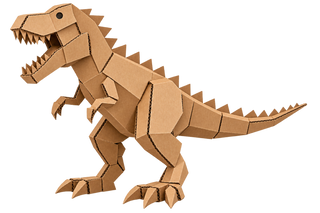


A box can become anything. Before it becomes a robot, a flower vase, a tiny shop, or a game, though, it helps to choose the right cardboard. The best cardboard for kids' craft projects is clean, sturdy, and easy to work with. You do not need to buy special materials — an ordinary delivery box can be a great place to start.
Start With Clean, Flat Cardboard
The first thing to check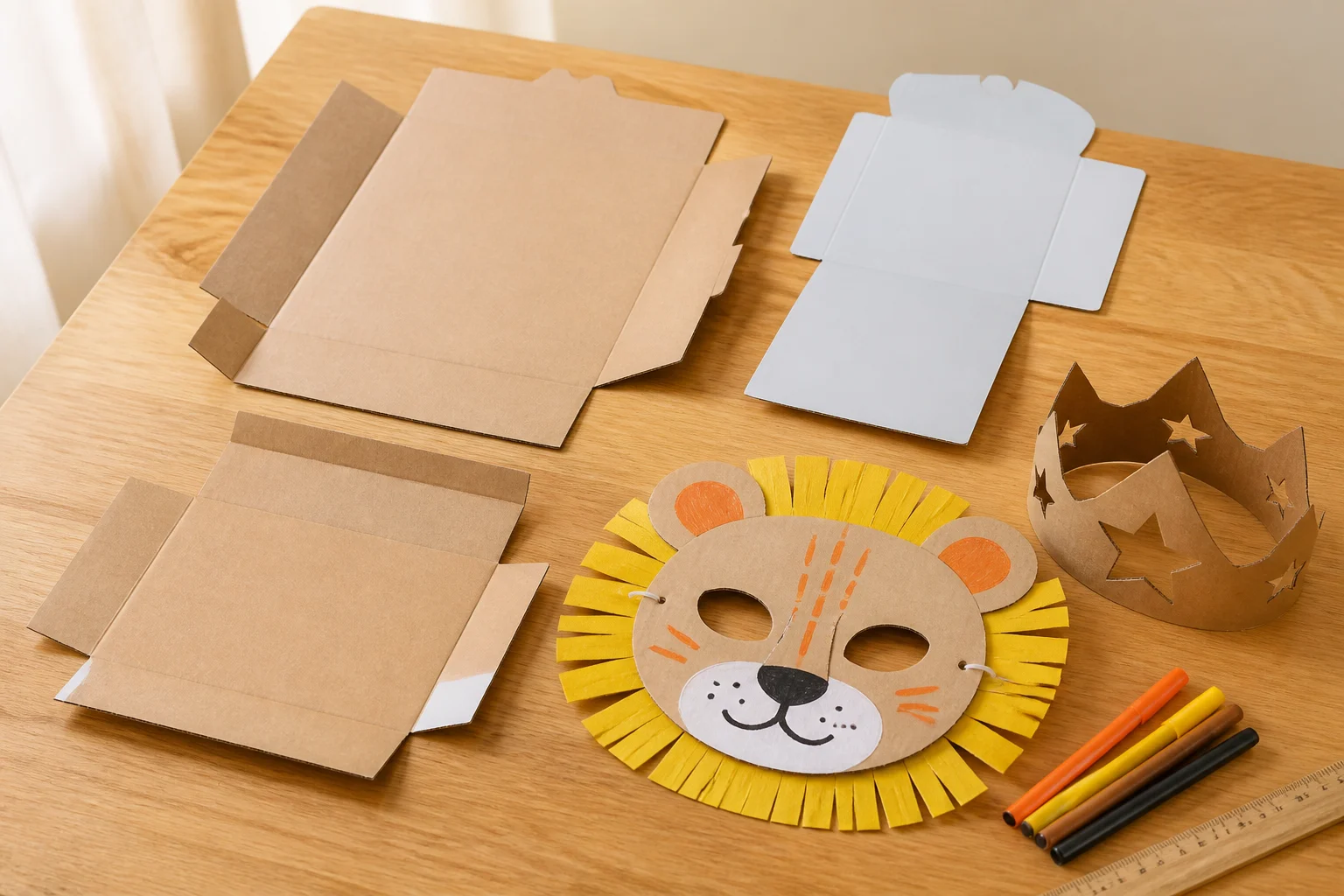 📦
📦
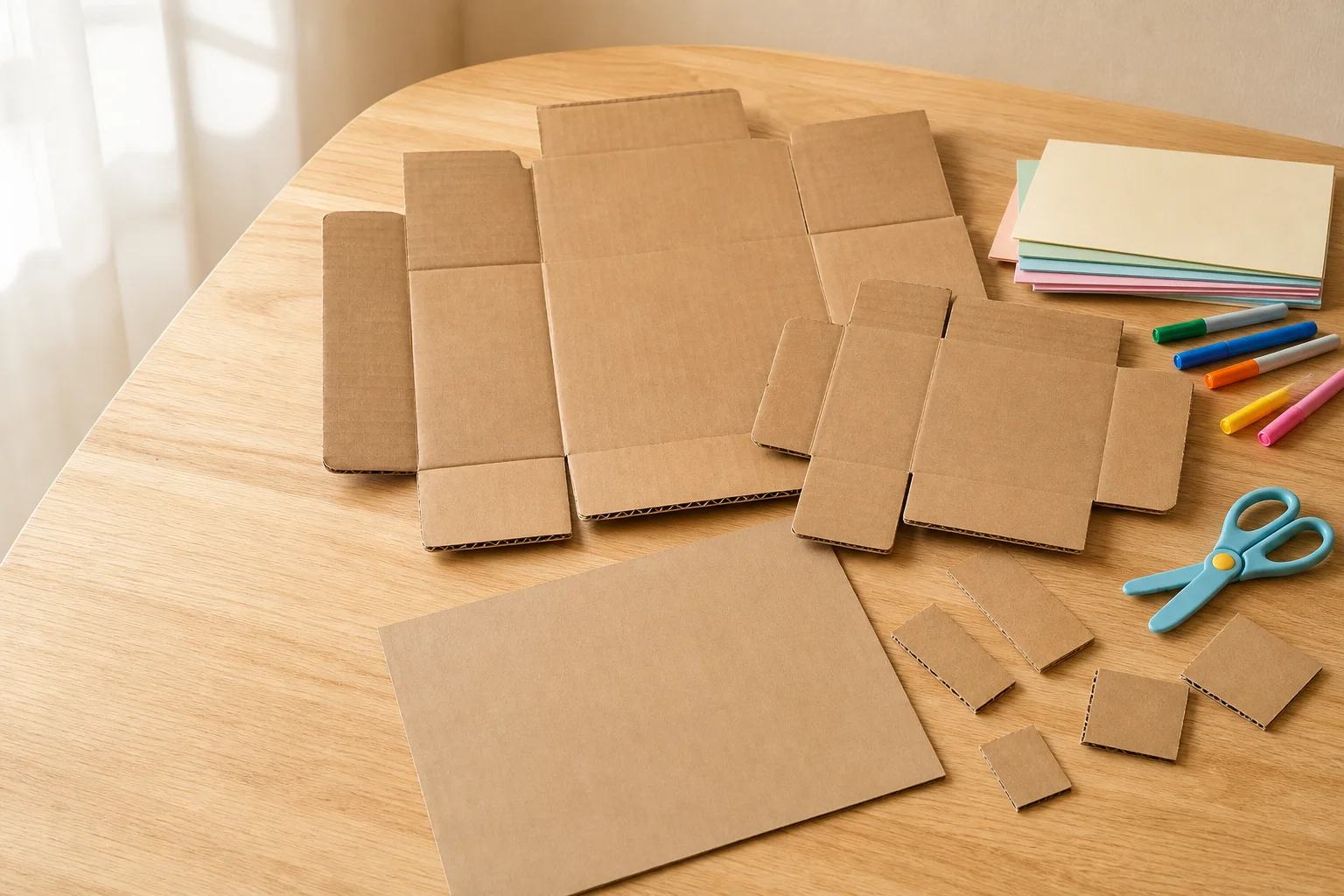
Image A — Clean flat cardboard
Dry, clean, and ready to build.
Choose cardboard that is dry, clean, and free from food stains, heavy tape, or crushed corners. Flattened shipping boxes are ideal because they give children a large surface for drawing, tracing printable patterns, and building.
Avoid cardboard that feels damp, oily, or too bent to hold its shape. It can be harder to decorate and less satisfying to turn into a finished creation.
Run your hand across the surface. If it feels smooth and firm, it is ready to use. If it bends too easily or smells musty, set it aside.
Match the Cardboard to the Project
Thin vs. corrugatedNot all cardboard is the same — and choosing the right type makes the building process easier and the result more satisfying. Here is a simple way to think about it.
Cereal boxes, lightweight packaging, and thin sheet card. Easy to cut, fold, and decorate — great for flat or lightweight creations.
- Animal face masks
- Crowns & headbands
- Signs & labels
- Decorative shapes
- Gift tags & cards
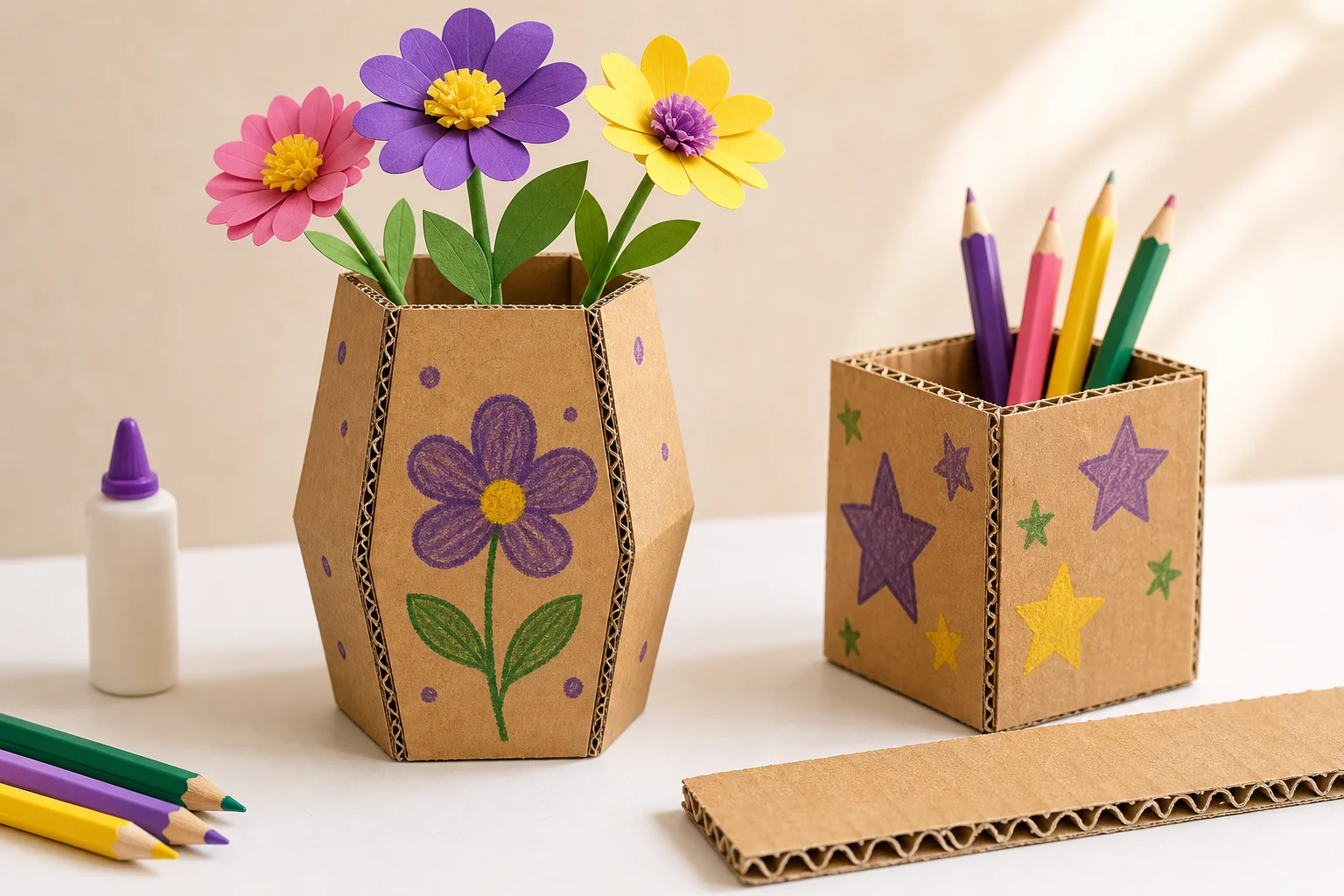
The kind with a wavy layer inside. Better for projects that need to stand up, hold weight, or keep their shape over time.
- Flower vases & pencil holders
- Robots with moving parts
- Pretend shops & buildings
- Marble runs & arcade games
- 3D animals & dinosaurs
 🏗️
🏗️
Image B — Corrugated cardboard
A medium-weight corrugated sheet is a great starting point.
Sturdy enough to build with, but still manageable for hands-on making. You can cut it cleanly with a kid-friendly cardboard cutting tool — and the wavy inner layer gives it a satisfying rigidity that flat card cannot match.
Old cardboard is not just packaging. It is the beginning of something kids can design, build, and proudly call their own.
Look for Simple Shapes First
Where to begin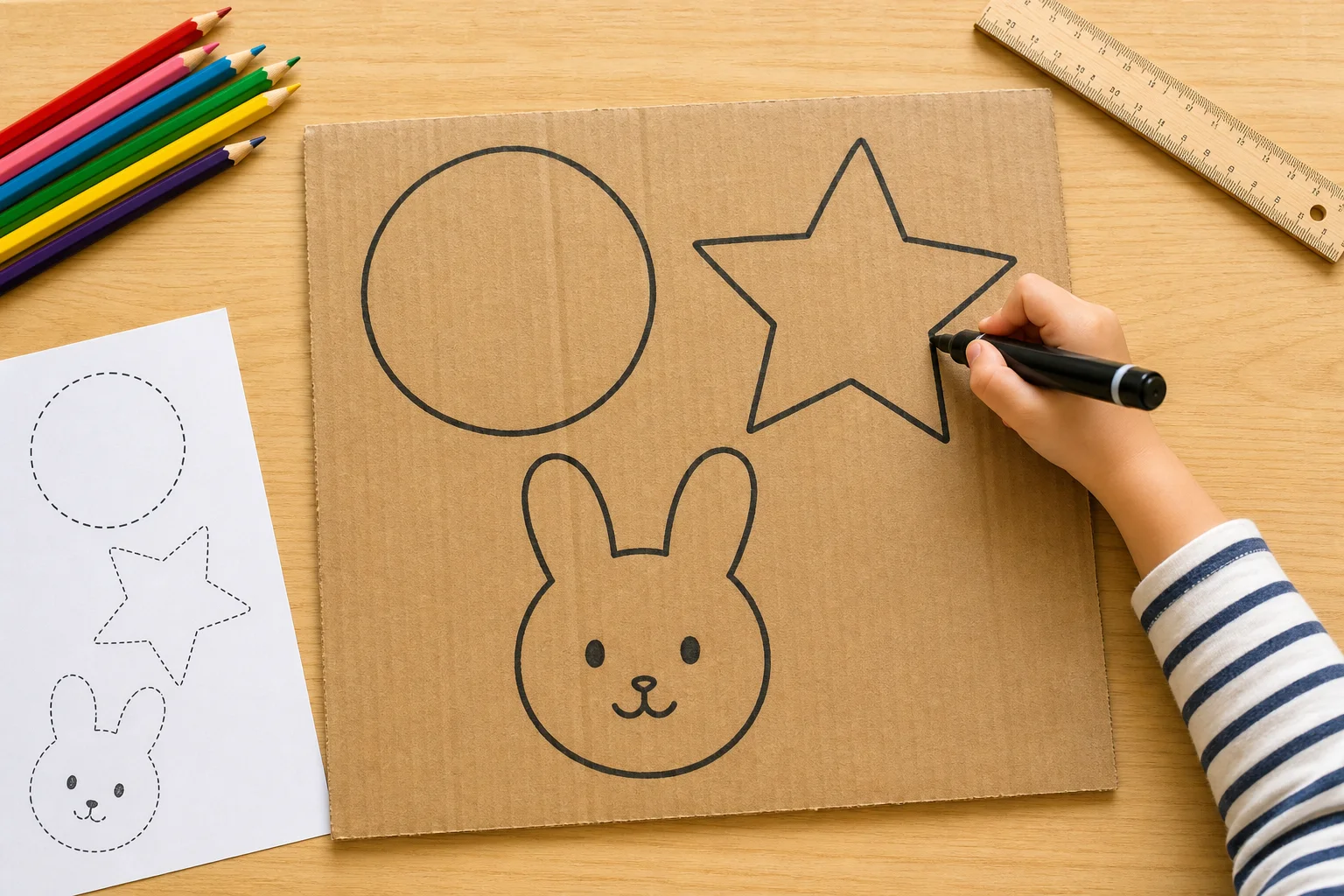 ⭐
⭐
Image C — Simple shapes
Big, open spaces make the best first canvas.
For a first project, choose cardboard with plenty of open space and begin with large, simple outlines. Circles, stars, animal faces, and basic building pieces help kids focus on imagining and making before moving on to more detailed designs.
Printable patterns can make the process even easier. Children can trace the outline, cut along the marked lines using a kid-friendly cardboard cutting tool with adult guidance, then test, build, and decorate.
Keep a Small Cardboard Collection
Always ready to create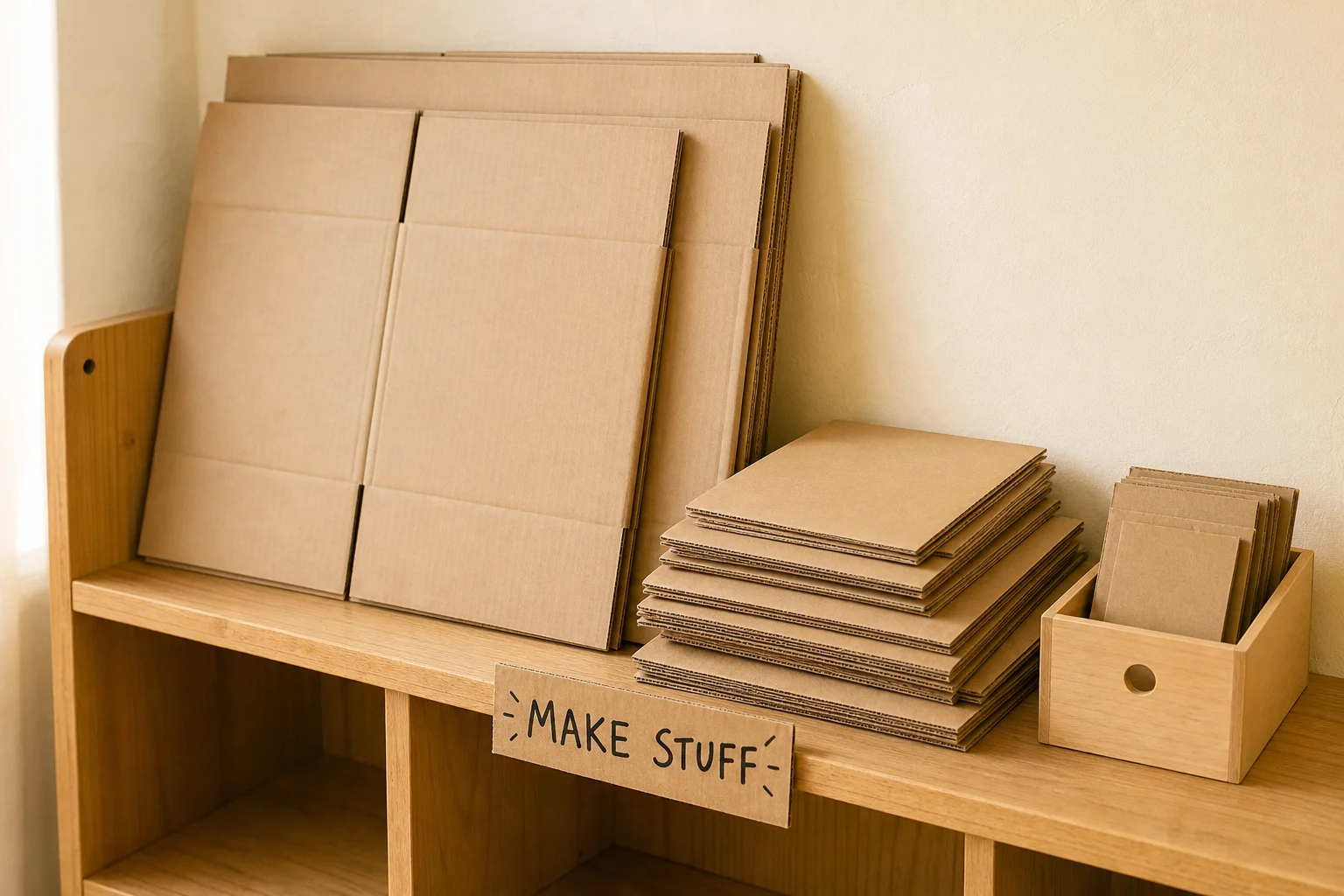 🏠
🏠
Image D — Cardboard collection
A few sizes is all you need.
Save clean boxes in a dry spot at home. A few different sizes are enough for many cardboard crafts for kids — and the next creative idea is always ready when inspiration arrives.
Small boxes (shoe boxes, tea boxes) for pencil holders and small builds. Medium boxes (cereal, cracker boxes) for masks, crowns, and flat shapes. Large boxes (delivery boxes) for big builds, cities, and robots.
With the right starting piece, old cardboard is not just packaging. It is the beginning of something kids can design, build, and proudly call their own.
Start with the
VOGALAB cutter.
A precision tool designed for home makers. Download the free Bloom Vase pattern and make your first project today.

